Student-Centered Design
I design learning experiences around learner needs, motivation, and real-world application so content feels relevant and achievable.
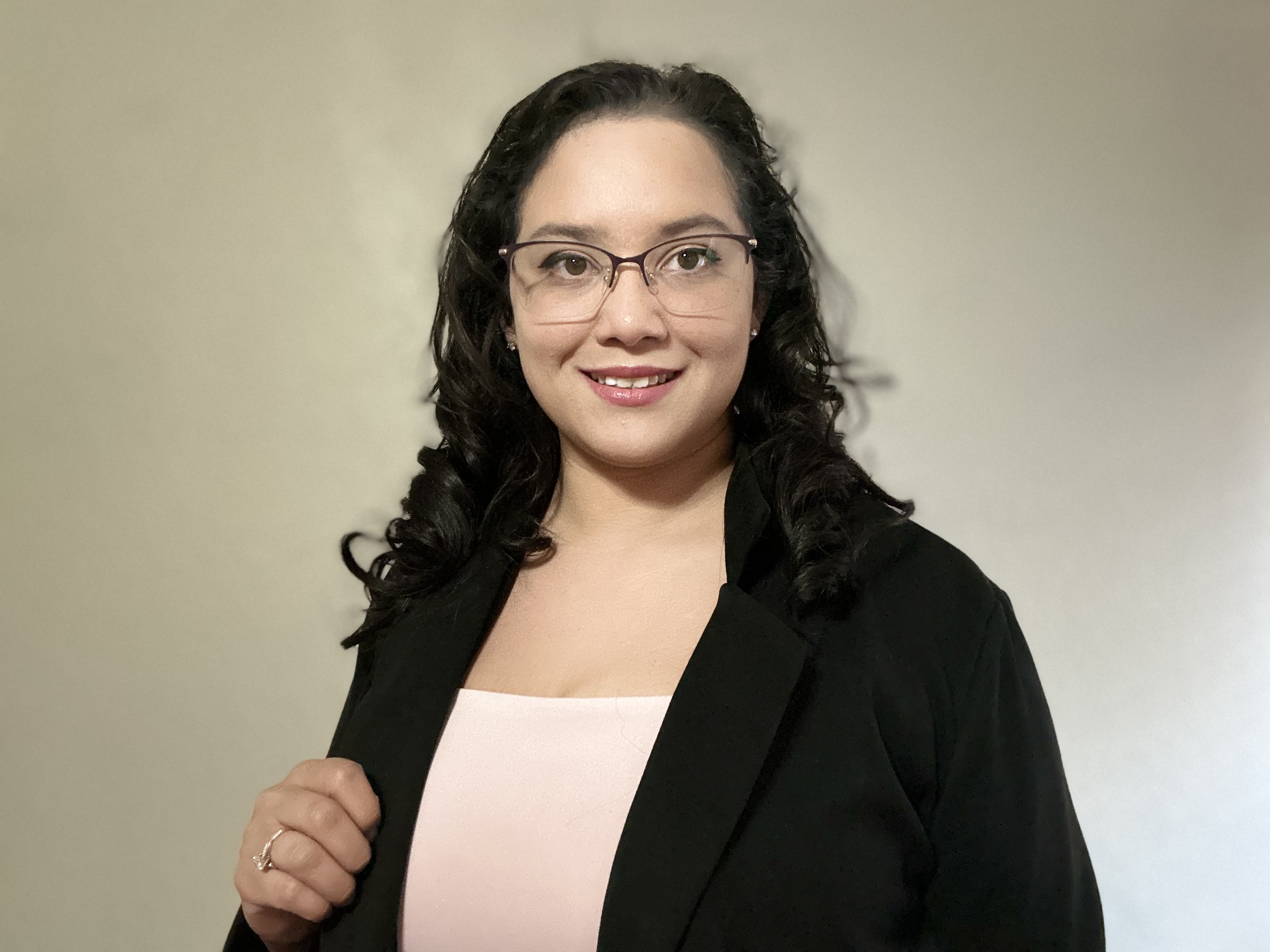
Supporting inclusive, evidence-based course design in education. I create student-centered learning experiences grounded in clear objectives, accessible design, and meaningful assessment. I design with intention, aligning outcomes, activities, and evaluation so learners can build confidence and transfer skills into real contexts.
My teaching philosophy is grounded in a student-centered classroom where learning is active, collaborative, and purposeful. I believe the future of education depends on empowering students to think critically, solve real-world problems, and take ownership of their learning through meaningful, hands-on experiences.
I design instruction using backward planning and intentional scaffolding so that all students can progress toward mastery. Lessons are aligned with Bloom’s Taxonomy, guiding learners from foundational knowledge to higher-order thinking skills such as analysis, evaluation, and creation. This structured progression builds confidence while supporting diverse readiness levels.
Equity and accessibility are central to my practice. I incorporate inclusive strategies and Universal Design for Learning to ensure every student can access content, demonstrate understanding in multiple ways, and fully participate. Differentiation and targeted supports help remove barriers and create pathways for success for all learners.
Assessment is integrated throughout the learning process through ongoing formative checks, reflection, and actionable feedback. Technology is used intentionally to enhance accessibility, deepen engagement, and prepare students for an evolving academic and professional landscape.
My goal is to cultivate a classroom where every student feels valued, confident, and empowered to succeed in higher education and thrive in an ever-changing world.
I design learning experiences around learner needs, motivation, and real-world application so content feels relevant and achievable.
I use backward design to align learning objectives, practice activities, and assessments to support growth from foundational knowledge to higher-order thinking.
I design for access from the start using clear structure, readable layouts, and inclusive options for engagement and demonstration of learning.
I integrate tools intentionally: interactive modules, collaboration spaces, and feedback loops to remove barriers and strengthen learning outcomes.